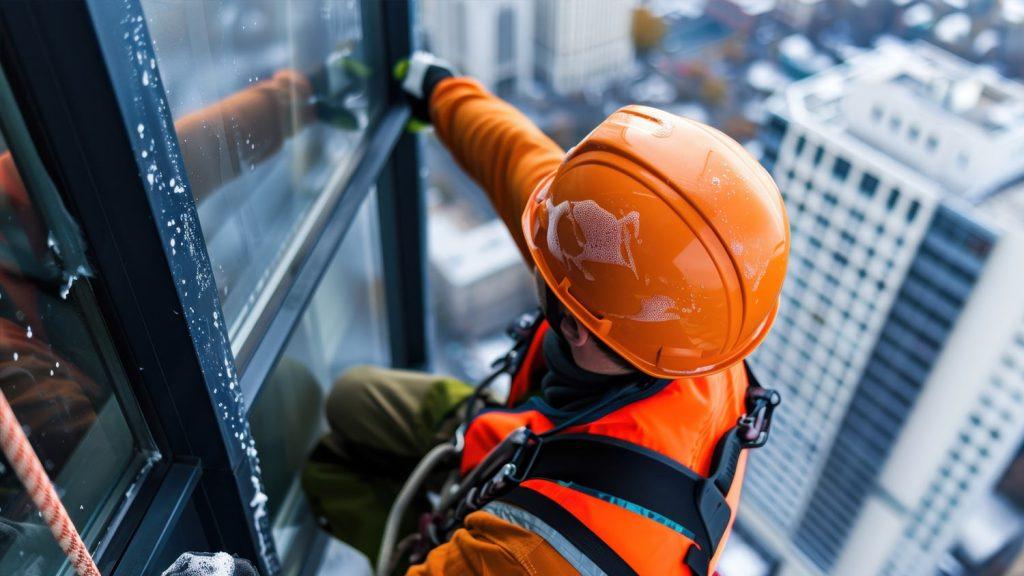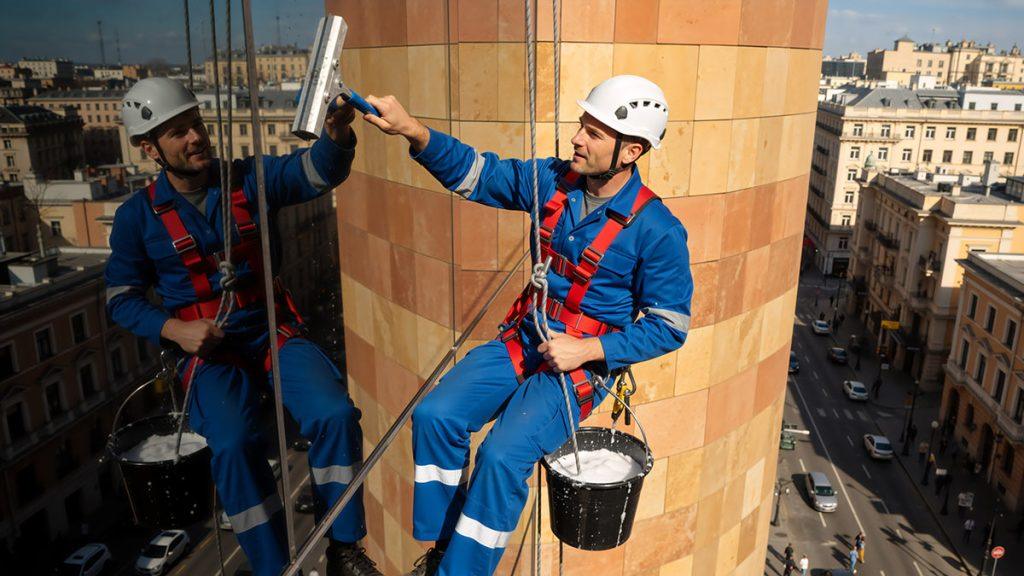
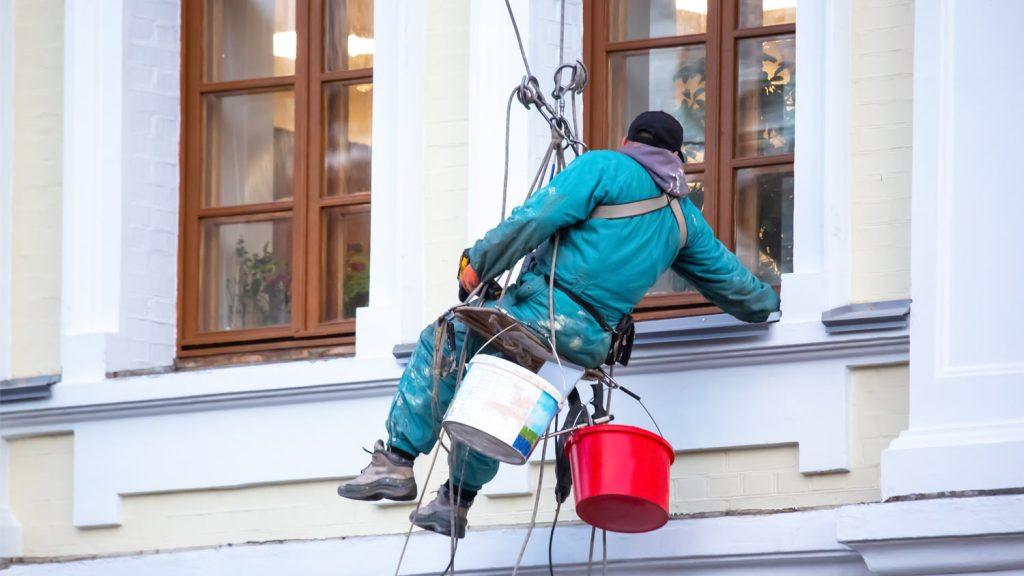
High-level window cleaning is an essential part of maintaining modern commercial and residential buildings. Clean glazing enhances appearance, protects materials, and signals professional property management. However, when high-level cleaning is carried out unsafely, the consequences extend far beyond the immediate job. What may appear to be a short-term saving can quickly lead to significant hidden costs.
For property managers and duty holders, understanding these hidden costs is critical. Unsafe window cleaning is not just a contractor issue — it is a risk that can directly impact finances, compliance, and reputation.
Short-Term Savings, Long-Term Consequences
Unsafe high-level window cleaning often begins with an attempt to reduce costs. This might involve using inadequately trained contractors, unsuitable access methods, or improvised equipment. While the initial invoice may be lower, these approaches shift risk rather than eliminate it.
In many cases, the true cost only becomes visible after an incident, inspection, or complaint. By then, the financial and operational damage may already be significant.
Increased Risk of Accidents and Injuries
The most serious hidden cost of unsafe window cleaning is the risk to life and health.
Working at height is one of the most dangerous activities in building maintenance. Without proper training, equipment, and planning, operatives face a higher likelihood of falls, dropped objects, or system failures.
Accidents can result in:
-
Serious injury or fatality
-
Emergency response costs
-
Work stoppages and investigations
Even when an incident does not result in injury, near-misses can trigger reviews, delays, and additional oversight, all of which carry costs.
Legal and Regulatory Exposure
Under UK health and safety legislation, including the Work at Height Regulations, duty holders have a legal responsibility to ensure work at height is carried out safely. This responsibility does not disappear when work is outsourced.
If unsafe practices are identified, property managers and building owners may face:
-
Enforcement notices
-
Prosecution and fines
-
Increased scrutiny from regulators
Legal costs, management time, and potential penalties can far exceed any initial savings made by choosing an unsafe or inexperienced contractor.
Insurance Implications
Unsafe working practices can also have significant insurance consequences.
In the event of an accident, insurers may investigate whether appropriate controls were in place. If unsafe methods or unqualified contractors were used, claims may be delayed, reduced, or even refused.
Additionally, repeated incidents or poor safety records can lead to higher insurance premiums over time. This ongoing cost is often overlooked when assessing the true price of unsafe cleaning.
Damage to Building Fabric
High-level window cleaning often involves contact with façades, glazing, and roof areas. Unsafe or inexperienced contractors may cause damage through poor technique or incorrect equipment use.
Common issues include:
-
Scratched or cracked glazing
-
Damaged sealants or frames
-
Abrasion from poorly managed ropes
-
Impact damage from unsecured tools
Repairs to building façades are rarely cheap. Even minor damage can require specialist contractors, access equipment, and disruption to occupants.
Disruption to Tenants and Occupants
Unsafe cleaning practices increase the likelihood of disruption.
Improvised access methods may require sudden changes to work areas, unplanned closures, or emergency restrictions. Accidents or near-misses can lead to immediate work stoppages and site shutdowns.
For tenants and residents, this results in:
-
Noise and inconvenience
-
Loss of access to areas
-
Reduced confidence in building management
Disruption can damage relationships with tenants and increase complaints, adding to management workload.
Reputational Damage
Reputation is one of the most valuable assets for property managers and building owners.
Visible unsafe practices — such as poorly controlled rope access, inadequate exclusion zones, or unprofessional operatives — can quickly undermine confidence. In the event of an incident, reputational damage may be immediate and long-lasting.
Negative perception can affect:
-
Tenant retention
-
Letting and sales prospects
-
Relationships with stakeholders and regulators
Rebuilding trust after a safety incident is far more costly than preventing the issue in the first place.
Reactive and Emergency Costs
Unsafe high-level window cleaning often leads to reactive spending.
Incidents, equipment failures, or enforcement action can require urgent remedial works. Emergency access solutions are typically more expensive and disruptive than planned, professional services.
Additionally, unsafe cleaning may result in incomplete or poor-quality work, requiring repeat visits to correct issues. These hidden inefficiencies add up over time.
Increased Management Time and Stress
Another hidden cost is the time and pressure placed on property management teams.
Investigating incidents, dealing with complaints, liaising with insurers, and responding to regulators all require significant management input. This diverts time away from planned maintenance and strategic priorities.
Safe, professional contractors reduce this burden by managing risk proactively and communicating clearly.
The Cost of Non-Compliance Over Time
Unsafe practices often indicate broader compliance issues, such as inadequate documentation, lack of training records, or poor equipment maintenance.
Over time, these gaps can accumulate, increasing the likelihood of audits, enforcement action, or contractual disputes. Addressing compliance retrospectively is far more expensive than maintaining it from the outset.
Safer Alternatives Deliver Better Value
Professional rope access window cleaning, carried out by experienced contractors, offers a safer and more cost-effective alternative.
Proper planning, trained operatives, and compliant systems reduce risk, minimise disruption, and protect the building fabric. While the upfront cost may be higher, the long-term value is significantly better.
Safe cleaning supports:
-
Predictable maintenance budgets
-
Consistent building appearance
-
Reduced legal and insurance risk
-
Peace of mind for duty holders
Investing in Safety Is Investing in Value
The hidden costs of unsafe high-level window cleaning are often underestimated until something goes wrong. Injuries, legal exposure, building damage, and reputational harm can quickly outweigh any perceived savings.
For property managers and building owners, investing in safe, professional high-level window cleaning is not just a compliance requirement — it is a sound financial decision.
By choosing experienced, safety-focused contractors, you protect people, property, and your organisation’s reputation while ensuring your building is maintained to the standards it deserves.